
Emergency Commercial Roof Repair in Colorado
When your roof is actively leaking or storm-damaged, every hour matters. Statewide Roofing responds fast to protect your building, limit interior damage, and get you a clear plan — not just a tarp and a promise.
Overview
A roofing emergency doesn’t wait for a convenient time. Active leaks, storm damage, and sudden failures can disrupt tenants, threaten inventory and equipment, and cause interior damage that compounds quickly if the roof isn’t stabilized fast.
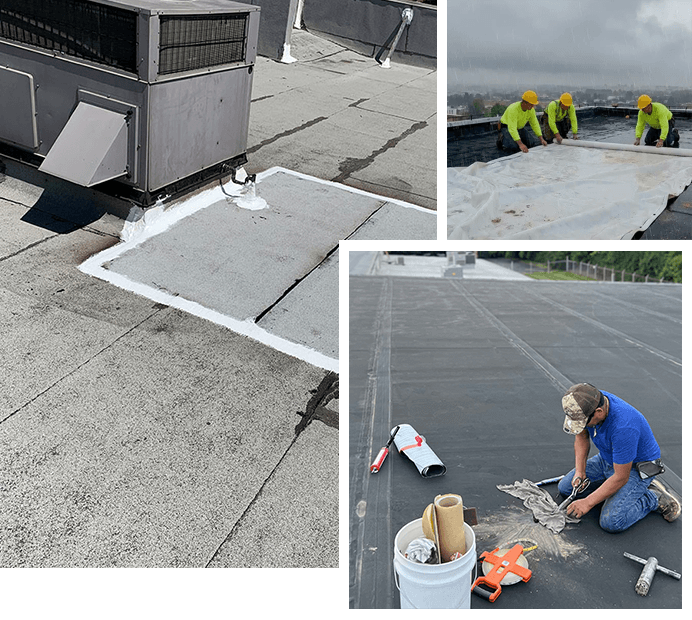
Statewide Roofing provides emergency commercial roof repair across Colorado, responding to urgent situations with the goal of protecting the building first and solving the problem right. We assess what happened, explain what it means, and recommend the most practical path forward — whether that’s immediate temporary protection, a targeted repair, or a plan for more extensive work once conditions allow.
What Qualifies as a Roofing Emergency
If your building is exposed to the elements or actively taking on water, that’s an emergency. Common situations we respond to include:
Active roof leaks
Active roof leaks — water entering the building, regardless of how it started
Hail and wind damage
Hail and wind damage — membrane punctures, displaced materials, and storm-related failures
Blown-off roofing materials
Blown-off roofing materials — sections of membrane, metal, or flashing that have separated from the roof
Impact damage
Impact damage — punctures or tears from fallen equipment, tree limbs, or debris
Penetration and equipment failures
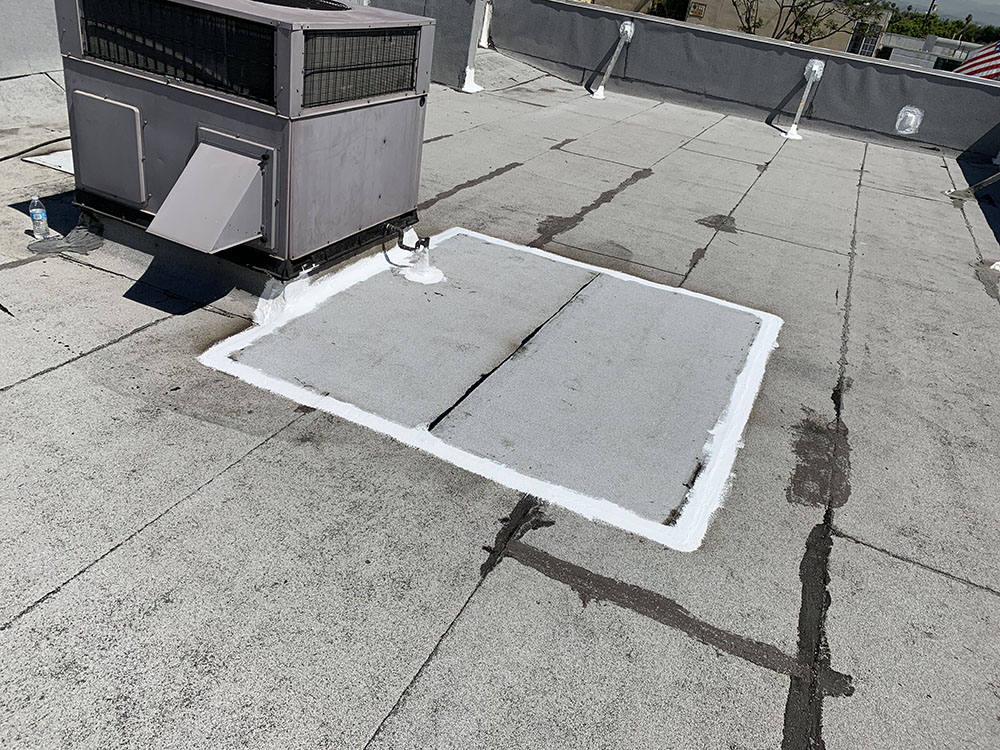
Penetration and equipment failures — sudden leaks around HVAC units, pipes, or curbs
Interior water intrusion
Interior water intrusion — ceiling damage, pooling water, or moisture reaching tenants or critical systems
Drainage emergencies
Drainage emergencies — blocked or failed drainage creating standing water load or overflow conditions
When in doubt, call. We’d rather help you assess a situation that turns out to be minor than have you wait on one that isn’t.
Why Speed Matters
Water doesn’t stay where it enters. Once a roof is breached, moisture moves laterally through roofing assemblies, saturates insulation, and can reach wall cavities, ceiling systems, electrical, and inventory well beyond the original leak point. The longer a roof remains exposed, the more the damage spreads — and the more expensive the total repair becomes.
Fast response helps:
- Limit water spread before it reaches insulation, structure, or interior systems
- Protect tenants, equipment, and inventory from damage that could have been prevented
- Reduce total repair cost by containing the problem at its earliest stage
- Keep the building operational — or restore operations sooner
- Document conditions accurately — especially important for insurance claims and storm-related damage
How Emergency Roof Service Works
Emergency roofing response typically happens in two stages, and understanding both helps owners plan accordingly.
Stage 1 — Stabilization
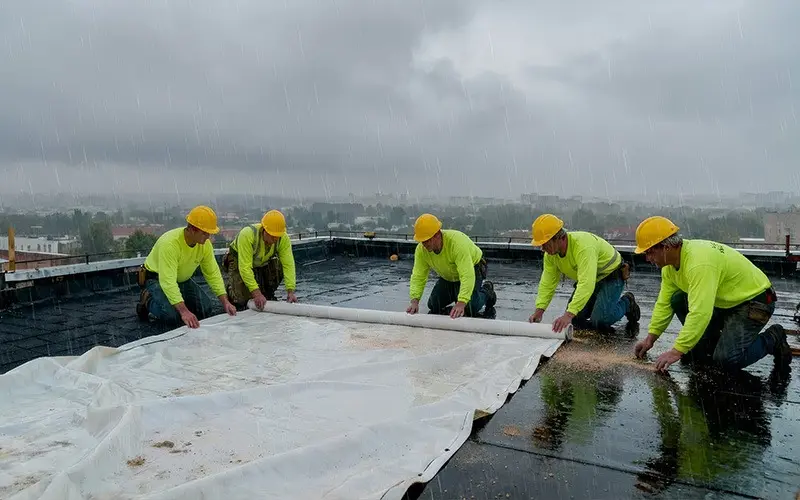
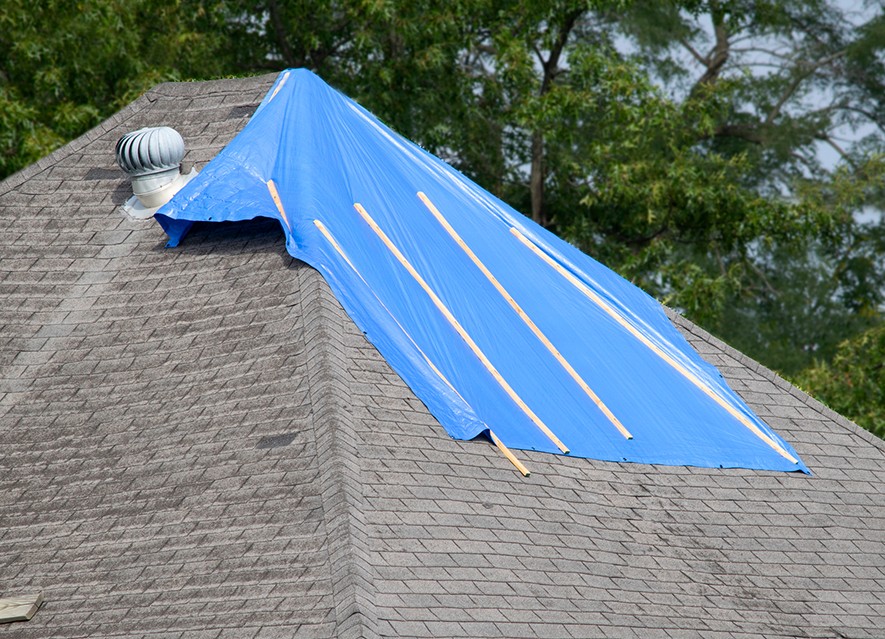
The immediate priority is stopping active exposure. Depending on the situation, this may involve emergency tarping, temporary patching, or localized repairs that protect the building while a more complete assessment takes place. The goal is to stop the damage from growing.
Stage 2 — Assessment and Repair Plan
Once the building is stabilized, we assess the full extent of the damage and recommend the appropriate next step — whether that's a targeted permanent repair, a broader repair scope, or, in cases of extensive damage, a conversation about replacement. You'll get a clear explanation of what we found and what we recommend, so you can make an informed decision rather than a pressured one.
Colorado Storm Damage Response
Colorado’s weather creates roofing emergencies on a regular basis — hail seasons that produce widespread membrane damage, wind events that displace materials or compromise flashing, and rapid weather changes that stress roofing systems already showing wear. Post-storm response is a significant part of what we do, and early inspection after a major weather event is one of the most valuable steps an owner can take.
Quick inspection after a storm helps identify damage before it becomes a leak, documents conditions while they’re still clearly storm-related, and supports the insurance claim process if coverage applies. If your building was in the path of a recent hail or wind event, don’t wait for water to appear inside before calling.
Why Property Owners Choose Statewide Roofing
Responsive service
We move quickly when the situation calls for it
16 years in business
Established commercial roofing experience across Colorado
Manufacturer certified
Trained on the systems we work on
Fully insured
Commercial-grade coverage on every project
5-year workmanship warranty
We stand behind emergency repairs the same as any other work
Clear communication under pressure
In an urgent situation, you need straight answers, not roofing jargon
Ready to Get Started?
If your roof is actively leaking or has been damaged, don’t wait to see if it gets worse.