
PVC Roofing Contractor in Colorado
PVC roof repair, replacement, restoration, and inspections for commercial properties across Colorado.
You're in the Right Place
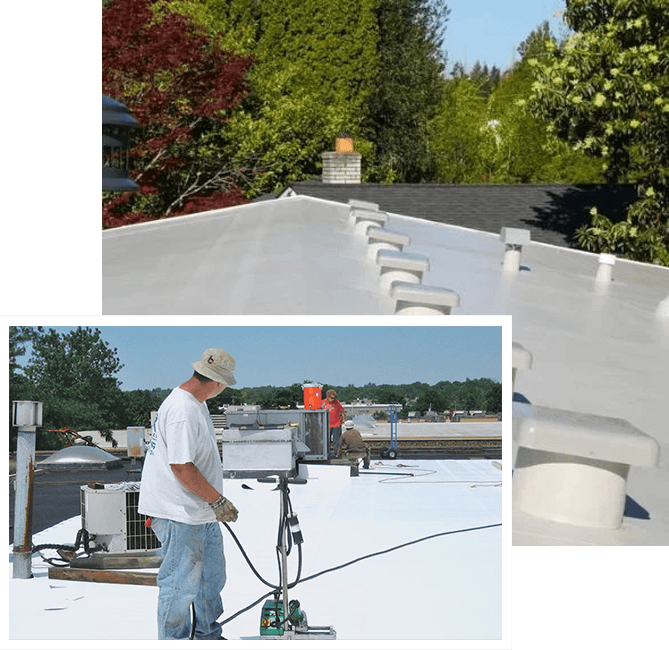
If you manage commercial properties and already understand the difference between PVC and TPO, the main thing you need to know is this: Statewide Roofing has extensive experience with both systems and has installed many PVC roofs across Colorado, especially on restaurant roofs and buildings where grease, oils, exhaust, and demanding rooftop conditions make PVC the better choice. We understand the details that matter on PVC and TPO projects — seam welding, flashing, penetrations, drainage, rooftop equipment, and manufacturer requirements — and we know how to install these systems correctly. If your building needs a PVC roof, a TPO roof, or an honest recommendation between the two, you can trust Statewide Roofing to evaluate the project and do the work right.
What Is PVC Roofing?
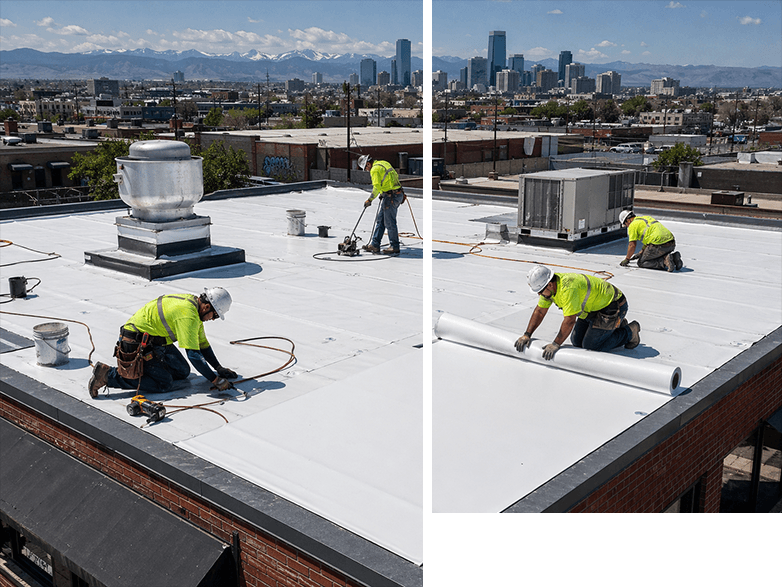
For property owners who are still comparing roofing systems, PVC stands for polyvinyl chloride. It is a thermoplastic single-ply roofing membrane used primarily on low-slope commercial roofs. Like TPO, PVC is installed in rolls and uses heat-welded seams to create a strong, watertight bond.
PVC is often selected when a roof has exposure to grease, oils, food-service exhaust, certain chemicals, or more demanding rooftop conditions. That is why it is commonly used on restaurants, commercial kitchens, food-service buildings, hotels with kitchen exhaust, and some industrial properties.
How PVC Roofing Is Different From TPO
PVC and TPO are often compared because both are white, reflective, single-ply membranes with heat-welded seams. For many standard commercial buildings, TPO may be the more cost-effective option. PVC is usually priced higher, but it can be the better value when the roof has exposure conditions that TPO is not designed to handle as well.
The biggest difference is chemical resistance. PVC is widely recognized for better resistance to grease, oils, animal fats, and certain chemical exposures. This is why PVC is frequently used on restaurants, commercial kitchens, food production facilities, and other buildings where exhaust systems or rooftop conditions can expose the membrane to contaminants.
TPO is a strong option for many commercial roofs, but it is not always the best choice near grease exhaust, cooking oils, or harsher chemical exposure. In those environments, PVC may provide better long-term performance and reduce the risk of premature membrane deterioration.
Designers: It’s OK to use accordions or “read more” expandable sections for this section.
Where PVC Roofing Is Commonly Used
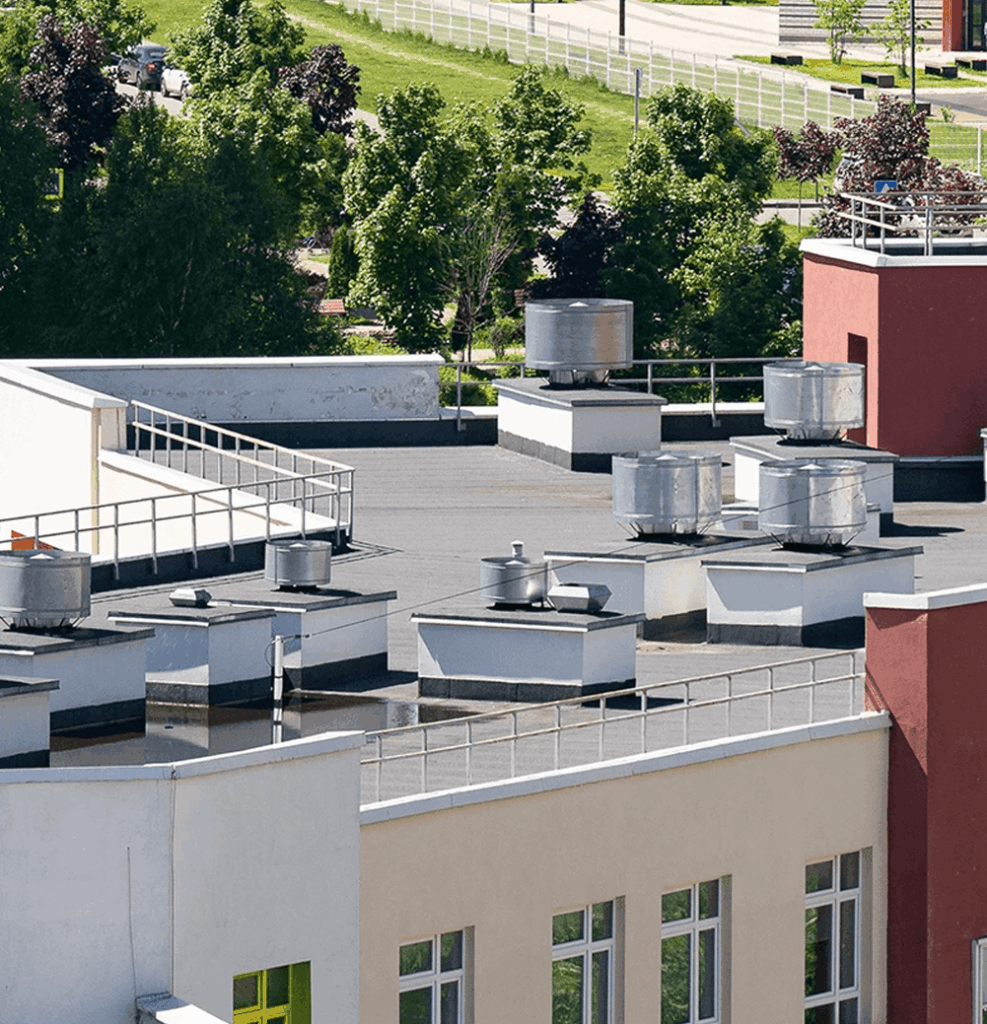
PVC roofing is often specified for commercial buildings where durability, welded seams, reflectivity, and chemical resistance are important.
Common applications include:
- Restaurants and commercial kitchens
- Food service buildings
- Food processing facilities
- Hotels with kitchen exhaust systems
- Industrial buildings with certain chemical exposures
- Manufacturing facilities
- Retail centers with restaurant tenants
- Low-slope commercial roofs with demanding rooftop conditions
PVC can also be used on many of the same low-slope commercial buildings where TPO is considered, but the added cost usually makes the most sense when the building has exposure conditions that justify the upgrade.
What Determines PVC Roofing Performance
PVC roofing performance depends on more than the membrane itself. The quality of the installation and the details of the roof assembly are critical.
Seam quality matters. PVC seams are heat-welded, and proper welding is essential to long-term watertight performance. Underwelded, contaminated, or poorly prepared seams can become leak points.
Flashing details matter. Most commercial roof leaks occur around transitions, penetrations, rooftop equipment, drains, parapets, and edges. PVC must be detailed correctly at every one of these areas.
Substrate and insulation condition matter. If wet or deteriorated insulation is left below a new membrane, the new roof may inherit problems from the old assembly.
Drainage matters. Low-slope roofs must move water properly. Ponding water can shorten the life of many roofing systems and create recurring maintenance issues.
Building use matters. A restaurant roof is different from a warehouse roof. A roof with grease exhaust, rooftop units, service traffic, and chemical exposure needs to be evaluated differently than a clean, open, low-slope roof.
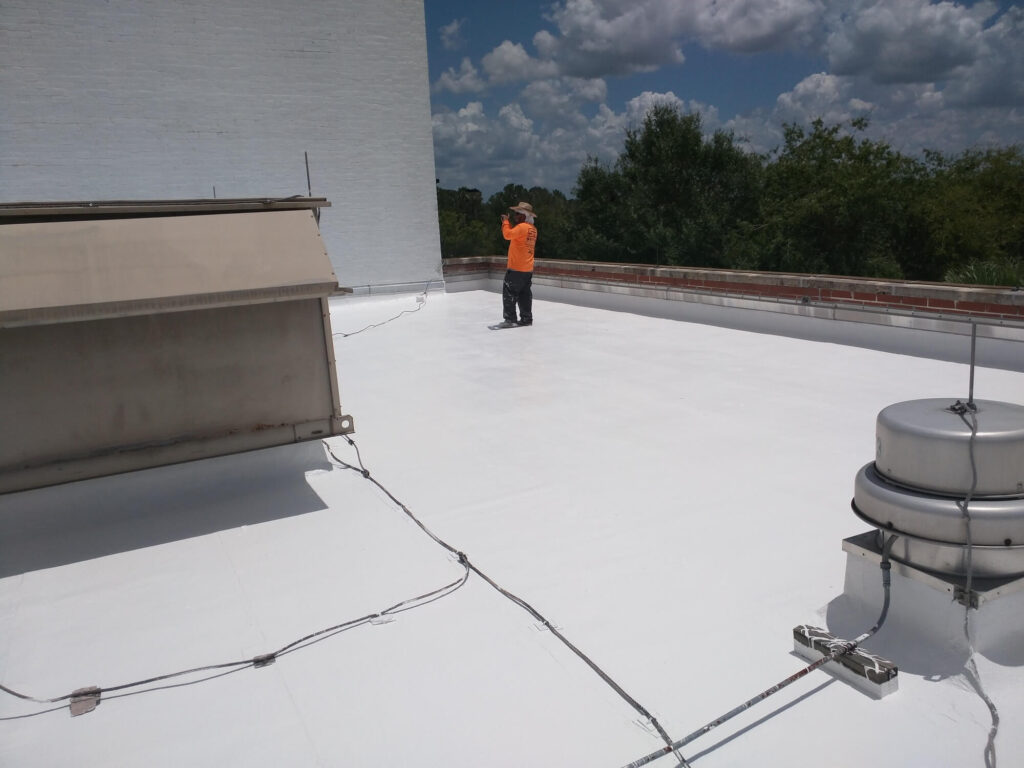
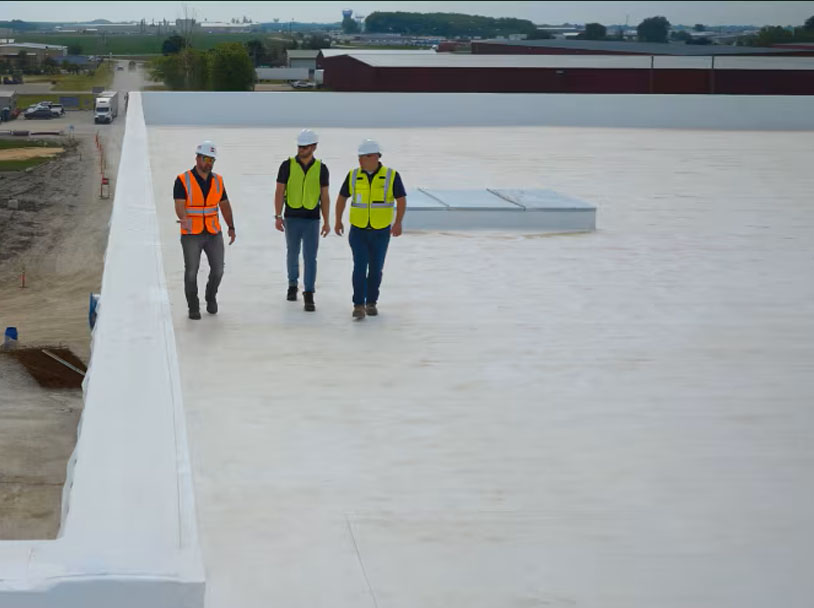
What We Evaluate on Every PVC Roof
- Heat-welded seam condition
- Flashing at curbs, parapets, edges, and penetrations
- Grease, oil, or chemical exposure
- Drainage and ponding water
- Membrane wear, punctures, and rooftop traffic damage
- Conditions around kitchen exhaust, HVAC units, and service pathways
- Edge metal, terminations, and wind-exposed areas
- Insulation condition where moisture intrusion is suspected
PVC Repair vs. Restoration vs. Replacement
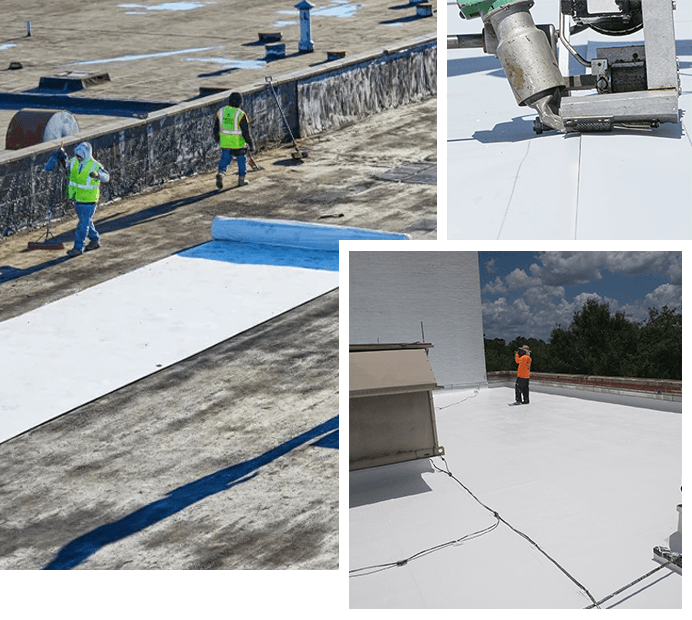
Not every PVC roof problem requires a full roof replacement. The right recommendation depends on the condition of the membrane, the location of the problem, the age of the roof, and whether the underlying assembly is still sound.
Repair
Repair may be appropriate when the issue is isolated, such as a puncture, flashing failure, open detail, or localized seam problem. If the membrane field is still performing and the insulation below is dry, targeted repair may be the most practical option.
Restoration
Restoration may be possible in some cases if the existing PVC membrane is still intact and the roof is a candidate for a compatible coating or restoration system. Compatibility and surface preparation matter. Not every roof is a good candidate, and coating over an unsuitable roof can create bigger problems later.
Replacement
Replacement becomes the better option when the roof has widespread failures, recurring leaks, moisture-damaged insulation, aging membrane, or systemic problems at seams and flashing. At that point, continuing to patch the roof may cost more over time than planning a proper replacement.
When PVC Is Worth the Higher Cost
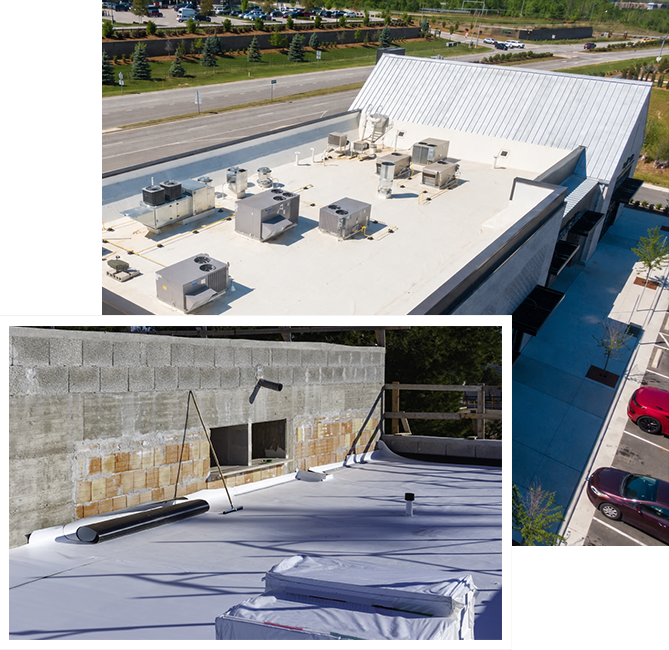
PVC generally costs more than TPO, but that higher cost can be justified on the right building. If the roof is exposed to grease, oils, animal fats, chemicals, or heavy rooftop demands, PVC may offer better long-term value than choosing a lower-cost membrane that is not as well suited to those conditions.
For property owners, the decision should not be based on material price alone. The better question is: what system is most appropriate for the way this building is actually used?
On a basic warehouse, TPO may make more financial sense. On a restaurant, hotel kitchen, food-service building, or industrial roof with chemical exposure, PVC may be the smarter specification.
Where PVC Roofing Is Commonly Specified
- Restaurants and commercial kitchens
- Hotels with kitchen or laundry exhaust areas
- Food processing and food service facilities
- Retail centers with restaurant tenants
- Industrial and manufacturing properties
- Commercial buildings with grease, oil, or chemical exposure
- Low-slope roofs with heavy rooftop equipment or service access
Frequently Asked Questions
PVC roofing is a thermoplastic single-ply membrane used on low-slope commercial roofs. It is installed in rolls, and the seams are heat-welded to create a watertight bond. PVC is known for durability, reflectivity, and strong resistance to grease, oils, and certain chemical exposures.
PVC and TPO are both single-ply membranes with heat-welded seams, but PVC generally offers better resistance to grease, oils, animal fats, and certain chemicals. TPO is often more cost-effective for standard commercial roofs, while PVC is often preferred for restaurants, food service, commercial kitchens, and some industrial applications.
Yes, PVC roofing is usually more expensive than TPO. The higher cost may be justified when the building has rooftop exposure to grease, oils, chemicals, or other conditions where PVC’s resistance can provide better long-term performance.
PVC is commonly used on restaurants, commercial kitchens, food processing buildings, hotels with kitchen exhaust, retail centers with restaurant tenants, and some industrial facilities. It can also be used on many other low-slope commercial roofs where a durable, heat-welded membrane is desired.
Yes. Many PVC roof problems can be repaired if the issue is localized and the surrounding roof assembly is still in good condition. Common repair areas include punctures, flashing details, open seams, and damage around rooftop equipment.
A properly installed and maintained PVC roof commonly lasts 20 to 30 years, depending on membrane thickness, installation quality, rooftop exposure, maintenance, and building use. Roofs exposed to grease, chemicals, heavy traffic, or poor drainage should be inspected regularly.